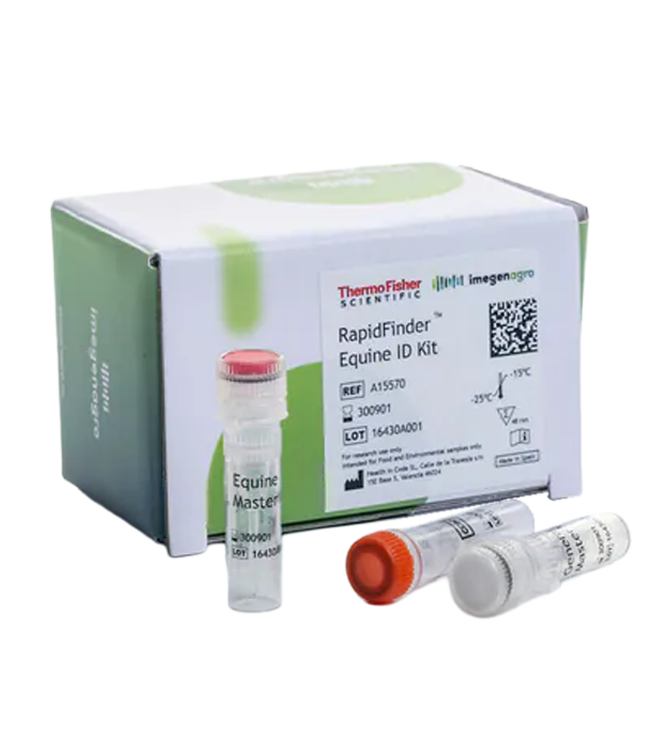
Real-Time PCR Assays and Arrays
Real-Time PCR Assays and Arrays are powerful tools for detecting and quantifying DNA or RNA sequences with high precision. These techniques enable real-time monitoring of nucleic acid amplification and allow for the simultaneous analysis of multiple genes, making them essential in diagnostics, gene expression studies, and various research applications.

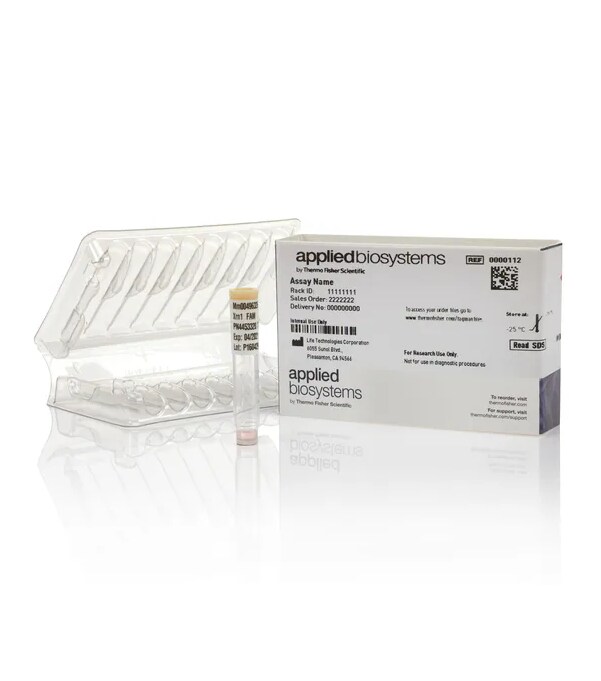
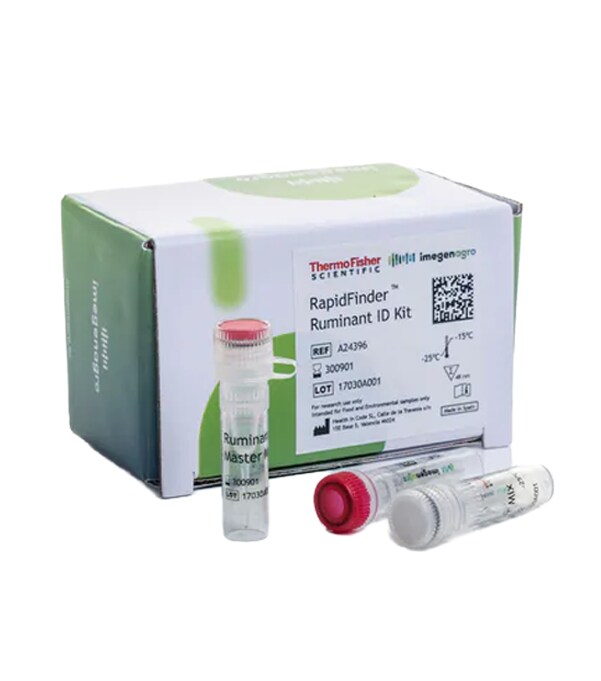
Useful Links
Save Now - Exclusive Deals

Product Code 15412184

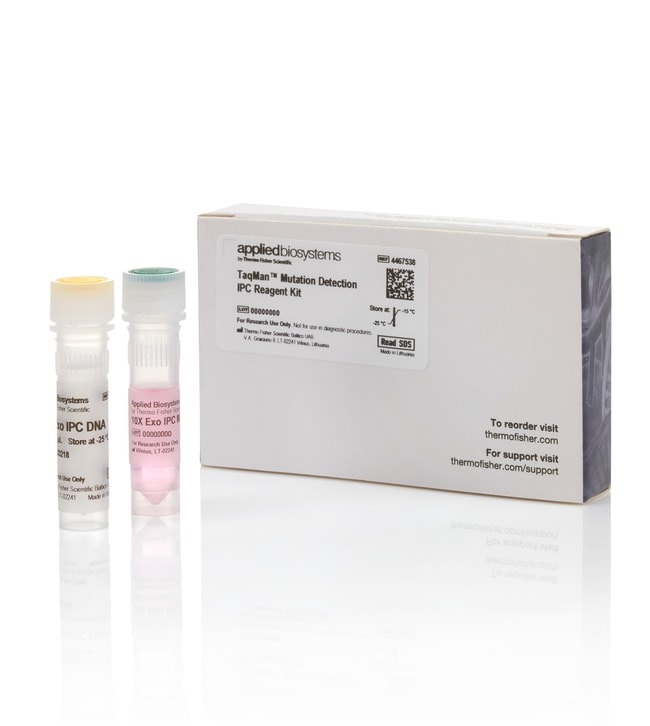
Product Code 15511134

Product Code 13473079
Complete Your Order - Great Deals
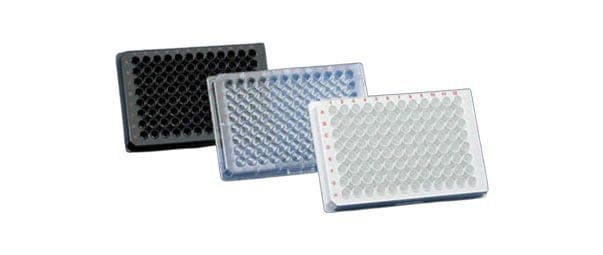
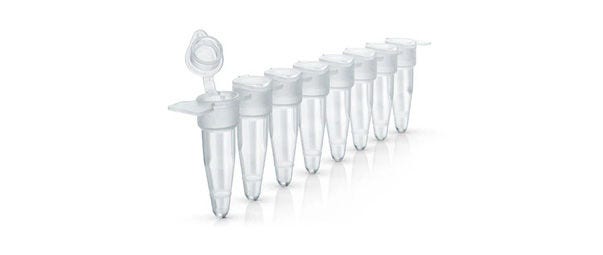
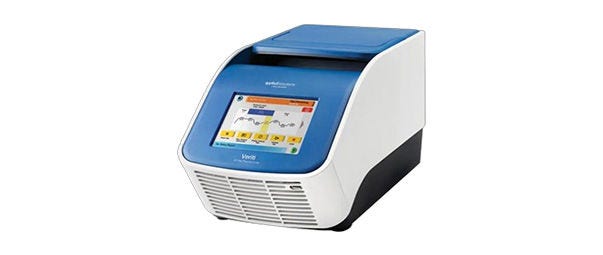
Must Have

Product Code 10722127
Product Code 10586745

Product Code 15129534
Product Code 10792697
FAQ
Real-time PCR (qPCR) is a technique used to amplify and quantify DNA in real-time. Key points include:
- Sample Preparation: Extract DNA from the sample.
- Reaction Setup: Prepare a mixture with DNA template, primers, DNA polymerase, nucleotides, and fluorescent dyes/probes.
- Thermal Cycling: Repeated cycles of heating and cooling to denature DNA, anneal primers, and extend new DNA strands.
- Fluorescence Detection: Measure fluorescence emitted by dyes/probes binding to DNA, proportional to the amount of DNA amplified.
- Data Analysis: Generate an amplification curve to determine the initial quantity of target DNA using the cycle threshold (Ct) value.
Real-time PCR is widely used in various applications, including:
- Medical diagnostics: Detecting and quantifying pathogens (e.g., viruses, bacteria).
- Genetic testing: Identifying genetic mutations or variations.
- Research: Studying gene expression levels.
- Forensics: Analyzing DNA samples for identification purposes.
The key advantage of real-time PCR is its ability to provide quantitative data with high sensitivity and specificity.
Common challenges in utilizing real-time PCR assays and arrays, along with their solutions, include:
- Non-Specific Amplification: non-specific products or primer-dimer formations can interfere with accurate quantification. To overcome this, design primers carefully to ensure specificity, optimize annealing temperatures, and use hot-start DNA polymerases.
- Inconsistent Results: variability in results due to inconsistent sample preparation or pipetting errors. To avoid this, use automated pipetting systems, ensure thorough mixing of reagents, and include internal controls to monitor consistency.
- Low Sensitivity: difficulty detecting low-abundance targets. To overcome this, optimize reaction conditions, use high-quality reagents, and ensure efficient extraction and purification of nucleic acids.
- Inhibition of PCR Reaction: presence of inhibitors in the sample that affect the PCR efficiency. A solution to this is to use purification steps to remove inhibitors, include an internal control to detect inhibition, and use inhibitor-resistant enzymes.
- Data Analysis and Interpretation: complex data analysis and potential for misinterpretation of results. Utilize robust software for data analysis, ensure proper training for users, and validate results with replicates and appropriate controls.
When buying real-time PCR assays and arrays, consider the following five key factors:
- Sensitivity and Specificity: Ensure the assay can detect low levels of target DNA/RNA with high specificity to avoid false positives and negatives.
- Compatibility: Verify that the assays and arrays are compatible with your real-time PCR instrument and software.
- Validation and Quality Control: Look for assays that are validated and come with quality control data to ensure reliable and reproducible results.
- Cost and Budget: Consider the cost per assay and overall budget, including any additional reagents or consumables required.
- Technical Support and Documentation: Ensure the supplier provides comprehensive technical support, user manuals, and troubleshooting guides.
Resources and Related Information



Top Brands