General-Purpose Industrial Gloves
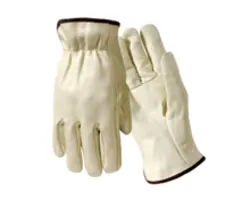
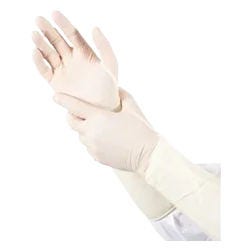
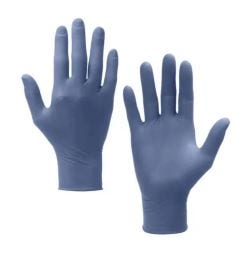
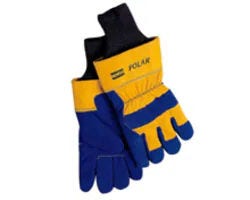
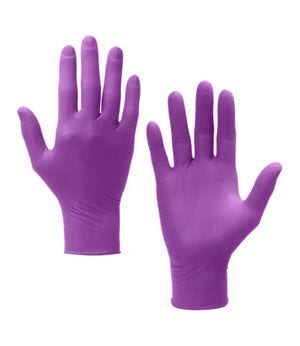
General-purpose industrial gloves (single use) provide protection against harmful environmental influencers such as those found in food service and handling, automotive, non-medical laboratories, and general maintenance. Primarily used in settings where workers are required to change gloves frequently, they may be constructed of latex, nitrile, neoprene, vinyl and/or other polymers.


Useful Links
Save Now - Exclusive Deals

Product Code 15594456

Product Code 8000256
Product Code 8000023

Product Code 200007840

Product Code 8002736

Product Code 7084211

Product Code 8005342

Product Code 6927055

Product Code 9622004

Product Code 8005392

Product Code 7225023
Complete Your Order - Great Deals


Must Have

Product Code 6983058

Product Code 8002740
Product Code 8394020

Product Code 6830050

Product Code 8005394

Product Code 142384

Product Code 3081075
FAQ
Exam gloves and general-purpose industrial gloves serve different purposes and are designed with specific features tailored to their respective uses. Here are the key differences:
Exam Gloves
• Primarily used in medical and healthcare settings
• Designed for single-use to prevent cross-contamination between patients and healthcare providers
• Typically made from latex, nitrile, or vinyl. Latex gloves offer high elasticity and comfort but can cause allergic reactions in some people. Nitrile gloves are a good alternative for those with latex allergies and provide excellent puncture resistance. Vinyl gloves are less durable but more cost-effective
• Generally thinner to allow for high sensitivity and dexterity, which is crucial for medical examinations and procedures
• Available in both sterile and non-sterile versions, with sterile gloves used for surgical procedures
• Must meet stringent standards set by regulatory bodies like the FDA in the United States to ensure safety and efficacy in medical environments
General-Purpose Industrial Gloves
• Used in various industrial settings such as manufacturing, construction, maintenance, and warehousing
• Designed for durability and protection against mechanical hazards
• Made from materials like leather, rubber, synthetic fabrics, or a combination thereof. The choice of material depends on the specific industrial application and required protection level
• Generally thicker than exam gloves to provide better protection against abrasions, cuts, punctures, and impacts
• Often designed with additional features like reinforced palms, knuckle guards, and textured surfaces to enhance grip and durability
• Must comply with safety standards relevant to industrial settings, such as those set by the OSHA (Occupational Safety and Health Administration) in the United States
So, to summarize, exam gloves are thinner, designed for single use, and prioritize sensitivity and hygiene for medical applications. General-purpose industrial gloves are thicker, designed for durability and repeated use, and provide protection against mechanical hazards in various industrial environments.
Color-coded general-purpose industrial gloves are often used to distinguish between different applications, tasks, or areas, enhancing safety and reducing the risk of cross-contamination. Some common applications for different colors of industrial glove are:
• Blue Gloves: Suitable for food processing and handling, as well as medical and dental settings. Blue is a color that does not naturally occur in food, making it easily detectable if a piece of the glove falls into food products. It’s also commonly used in healthcare to differentiate from other types of gloves
• Black Gloves: Suitable for automotive and mechanical work, as well as industrial and manufacturing environments. Black gloves are preferred in dirty or oily environments where they help conceal stains and provide a professional appearance
• Green Gloves: Suitable for agriculture and gardening, chemical handling and laboratories as well as food processing in some cases. Green gloves are often used to signify safety in handling chemicals or pesticides and can also be used for tasks involving plants and food to prevent cross-contamination
• Yellow Gloves: Suitable for cleaning and janitorial work as well as maintenance tasks. Yellow gloves are highly visible and are often used to indicate caution and cleanliness, making them suitable for cleaning tasks
• Red Gloves Suitable for hazardous waste handling and tasks involving high-risk materials. Red gloves are used to signal danger or high-risk tasks, helping to alert workers to the need for caution
• Orange Gloves: Suitable for construction and road work as well as high-visibility tasks
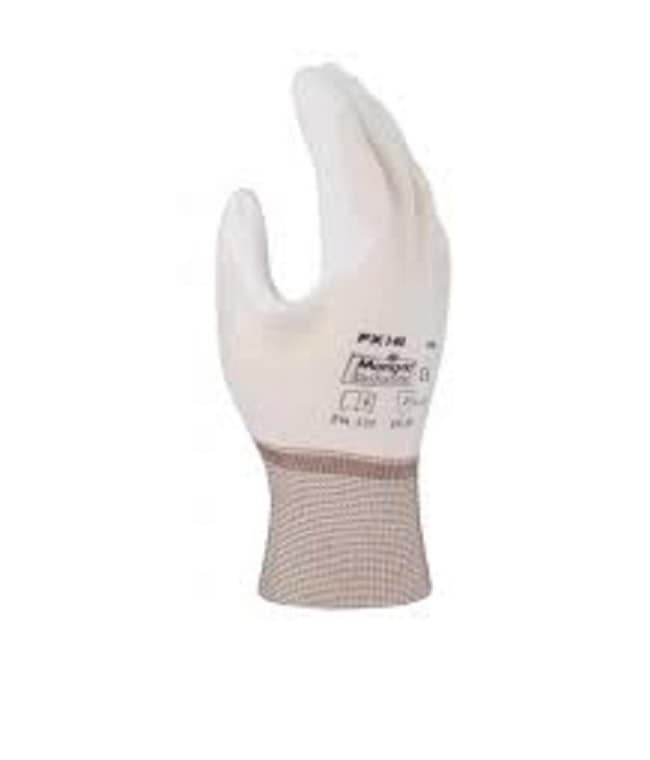
• White Gloves: Suitable for cleanrooms and electronics manufacturing. They are used in environments requiring high levels of cleanliness and hygiene, as they show dirt and contaminants easily.
When selecting general-purpose industrial gloves, it's important to consider various factors to ensure they meet the specific needs of the task in hand and provide adequate protection and comfort. Here are five key things to consider:
1. Material: Common materials include nitrile, latex, vinyl, leather, and synthetic fabrics. Nitrile is good for chemical resistance, durability, and puncture resistance. Latex offers excellent elasticity and comfort but can cause allergic reactions. Vinyl is cost-effective and suitable for low-risk tasks. Leather is durable and good for abrasion resistance, ideal for heavy-duty work. Synthetic fabrics are versatile and can offer various levels of protection and flexibility.
2. Protection level: Identify the specific hazards present in the work environment, such as:
• Chemical exposure: Consider chemical-resistant gloves like nitrile or neoprene
• Mechanical risks: Consider cut-resistant or abrasion-resistant gloves
• Heat: Consider heat-resistant gloves for handling hot materials
• Cold: Consider insulated gloves for cold environments
• Standards: Ensure the gloves in question meet relevant safety standards (e.g., ANSI/ISEA, EN standards)
3. Fit and comfort: Gloves should fit well to provide dexterity and reduce hand fatigue. Check that they are available in various sizes. Consider the level of dexterity required for the task. Thinner gloves offer better dexterity, while thicker gloves provide more protection. Look for features like ergonomic design, breathable materials, and padded palms.
4. Grip and texture: Gloves with textured surfaces or coatings (e.g., nitrile-coated) provide better grip, which is essential for handling tools and materials. Depending on the task, you may need gloves with enhanced grip for oily or wet conditions.
5. Durability and cost: Assess the expected lifespan of the gloves based on the frequency and nature of use. Durable gloves may have a higher upfront cost but offer better long-term value. Balance the cost of the gloves with the level of protection and durability they provide. Consider the total cost of ownership, including replacement frequency.
Resources and Related Information



Top Brands