DNA Sequencing
Discover our extensive collection of cutting-edge DNA sequencing products, encompassing a wide array of offerings such as advanced chemical reagents, comprehensive sequencing and pre-sequencing kits, efficient purification kits, meticulously crafted buffers, precise standards, and an array of other indispensable tools and resources.

Useful Links
Save Now - Exclusive Deals
Product Code 15938826

Product Code 7162473

Product Code 7138586

Product Code 7162474

Product Code 11931421
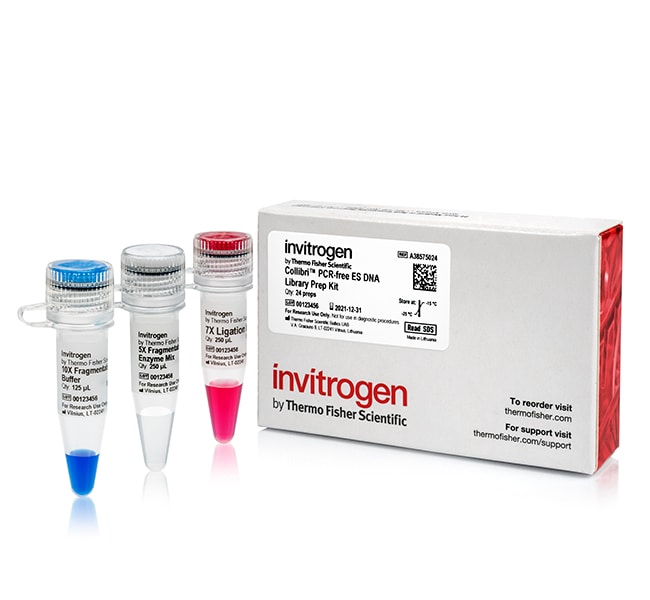
Product Code 7227427


Product Code 7162472

Product Code 15869886

Must Have

Product Code 7138583

Product Code 7162471

Product Code 12010860
Complete Your Order - Great Deals

Product Code 4926470

Product Code 11538646

Product Code 10242490
FAQ
The basic requirements for DNA sequencing include:
- DNA Template: The sample of DNA that you want to sequence.
- Primers: Short DNA fragments that initiate the sequencing process.
- DNA Polymerase: An enzyme that synthesizes new strands of DNA complementary to the template strand.
- Nucleotides: The building blocks of DNA, including standard nucleotides (dNTPs) and modified nucleotides (ddNTPs) for chain termination in Sanger sequencing.
- Sequencing Machine: Equipment that reads the sequence of nucleotides in the DNA.
- Buffer and Reagents: Chemical solutions that provide the necessary conditions for the DNA polymerase to function.
- Thermocycler (for some methods): A machine used to amplify DNA segments through polymerase chain reaction (PCR).
Different sequencing methods may have additional or specific requirements, but these are the general components needed for most DNA sequencing protocols.
The amount of DNA needed for sequencing depends on the sequencing method and platform you are using. Here are some general guidelines:
Sanger Sequencing:
- Typically requires 10-50 ng of purified DNA per reaction
Next-Generation Sequencing (NGS):
- Illumina Sequencing: Generally requires 1 ng to 1 µg of DNA, depending on the specific library preparation protocol
- Ion Torrent Sequencing: Usually requires around 10 ng to 1 µg of input DNA
- Pacific Biosciences (PacBio) Sequencing: Typically requires 0.5 to 5 µg of high-quality DNA
- Oxford Nanopore Sequencing: Requires around 200 ng to 1 µg of DNA, although some protocols can work with as little as 10 ng
Third-Generation Sequencing:
- Single-Molecule Real-Time (SMRT) Sequencing (PacBio): Often needs 0.5 to 5 µg of high-molecular-weight DNA
- Nanopore Sequencing (Oxford Nanopore): Generally requires around 200 ng to 1 µg of DNA, though some protocols can use lower amounts
These amounts can vary based on specific protocols and kits, so it's important to consult the guidelines provided by the manufacturer of the sequencing platform and the library preparation kit you are using.
Sanger sequencing and next-generation sequencing (NGS) are two different methods for determining the sequence of nucleotides in DNA. Here are the main differences between them:
Sanger Sequencing
- Method: Chain termination with ddNTPs and capillary electrophoresis.
- Read Length: Long (500-1000 bp).
- Throughput: Low; sequences one fragment at a time.
- Accuracy: Very high.
- Applications: Small-scale sequencing (e.g., single genes), variant validation.
- Cost: Higher per base but lower setup costs for small projects.
Next-Generation Sequencing (NGS)
- Method: Massively parallel sequencing of millions of fragments.
- Read Length: Short to long (100-300 bp for Illumina, longer for PacBio/Oxford Nanopore).
- Throughput: High; sequences entire genomes, exomes, or transcriptomes.
- Accuracy: High, but varies by platform.
- Applications: Large-scale sequencing (e.g., whole genomes, exomes, RNA-Seq, targeted sequencing).
- Cost: Lower per base but higher setup costs; cost-effective for large projects.
Sanger sequencing is ideal for small-scale sequencing projects due to its high accuracy and longer read lengths. It is more expensive per base but has lower setup costs for small projects. NGS is suited for large-scale sequencing projects due to its high throughput and ability to sequence millions of fragments simultaneously. It is more cost-effective per base for large projects but requires significant bioinformatics resources for data analysis.
Resources and Related Information
Shop By Brand