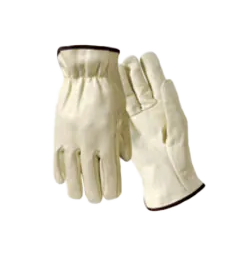
Work Gloves
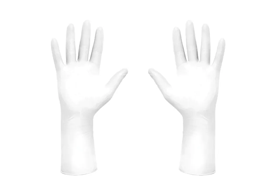
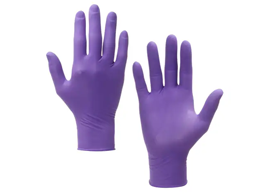
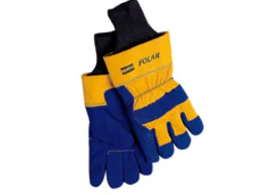
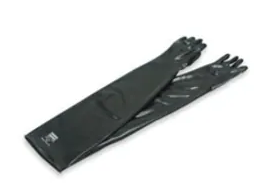
Gloves designed for protection from a variety of laboratory, controlled environment, general, or industrial conditions. Constructed of cotton, leather, nitrile, neoprene, or vinyl, cut-resistant and abrasion-resistant materials meet industry standards and requirements. Regulatory compliance details can be obtained at the individual product level.

Useful Links
Save Now - Exclusive Deals

Product Code 8005365

Product Code 7160277

Product Code 144457

Product Code 7156828
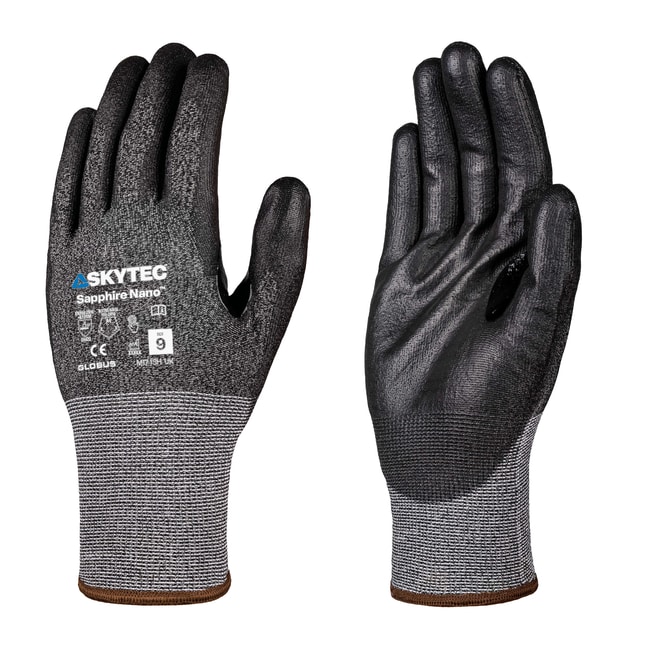
Product Code 7250638

Product Code 8005288

Product Code 7230484

Product Code 7162807

Product Code 4703892

Product Code 7236908

Product Code 5165054

Must Have

Product Code 7215051

Product Code 7236903

Product Code 7215062

Product Code 9625001

Product Code 8010803

Product Code 7160279

Product Code 7230513

Complete Your Order - Great Deals
.jpg-650.jpg)
Product Code 17273444

Product Code 8006627

Product Code 15371994
FAQ
Abrasion Resistance
EN 388 Standard (European Standard)
- Level 1: 100 cycles
- Level 2: 500 cycles
- Level 3: 2000 cycles
- Level 4: 8000 cycles
Cut Resistance
EN 388 Standard (European Standard)
- Level 1: 1.2 to 2.4 index
- Level 2: 2.5 to 4.9 index
- Level 3: 5.0 to 9.9 index
- Level 4: 10.0 to 14.9 index
- Level 5: 15.0 or higher index
ANSI/ISEA 105 Standard (American Standard)
- Level A1: 200 to 499 grams
- Level A2: 500 to 999 grams
- Level A3: 1000 to 1499 grams
- Level A4: 1500 to 2199 grams
- Level A5: 2200 to 2999 grams
- Level A6: 3000 to 3999 grams
- Level A7: 4000 to 4999 grams
- Level A8: 5000 to 5999 grams
- Level A9: 6000 grams or higher
Each standard uses different methods and scales to measure the levels of protection, so it's important to refer to the specific standard when assessing the suitability of gloves for particular tasks.
The appropriate cut and abrasion resistance levels for work gloves depend on the specific hazards and tasks involved in different types of work. Here are some general guidelines for different work environments:
- Light Work: such as general handling, light assembly, and packaging
- Recommended Abrasion Level: 1-2 (EN 388)
- Recommended Cut Level: A1-A2 (ANSI), 1-2 (EN 388)
- Medium Work: such as construction, metal fabrication, and automotive work
- Recommended Abrasion Level: 2-3 (EN 388)
- Recommended Cut Level: A2-A3 (ANSI), 2-3 (EN 388)
- Heavy Work: such as glass handling, sheet metal work, and heavy construction
- Recommended Abrasion Level: 3-4 (EN 388)
- Recommended Cut Level: A4-A5 (ANSI), 4-5 (EN 388)
- Extreme Work: such as sharp metal handling, heavy glass handling, and cutting operations
- Recommended Abrasion Level: 4 (EN 388)
- Recommended Cut Level: A6-A9 (ANSI), 5 (EN 388)
Specific Recommendations
- General Handling and Light Assembly
- Abrasion Level: 1-2
- Cut Level: A1-A2 (ANSI), 1-2 (EN 388)
- Construction and Carpentry
- Abrasion Level: 2-3
- Cut Level: A2-A3 (ANSI), 2-3 (EN 388)
- Automotive and Metal Fabrication
- Abrasion Level: 3
- Cut Level: A3-A4 (ANSI), 3-4 (EN 388)
- Glass Handling and Sharp Object Handling
- Abrasion Level: 4
- Cut Level: A5-A6 (ANSI), 4-5 (EN 388)
- Heavy Construction and Demolition
- Abrasion Level: 4
- Cut Level: A4-A5 (ANSI), 4-5 (EN 388)
- Food Processing and Meat Cutting
- Abrasion Level: 3-4
- Cut Level: A5-A6 (ANSI), 4-5 (EN 388)
Always consider the specific risks and requirements of your work environment when selecting gloves. It's also important to ensure that gloves fit well and allow for the necessary dexterity and comfort for the tasks at hand.
When selecting work gloves, consider the following five factors to ensure they provide adequate protection, comfort, and functionality:
1. Hazard Protection
- Cut Resistance: Choose gloves with appropriate cut resistance levels based on the task. For example, higher cut resistance for handling sharp objects
- Abrasion Resistance: Select gloves with suitable abrasion resistance for the work environment, considering the frequency and severity of contact with rough surfaces
- Chemical Resistance: Ensure gloves are resistant to any chemicals you may encounter, such as oils, solvents, or acids
- Impact Protection: Look for gloves with reinforced areas or padding to protect against impacts or crush injuries
2. Comfort and Fit
- Size: Gloves should fit well, providing a snug but comfortable fit to ensure dexterity and prevent slippage
- Material: Choose materials that are comfortable for extended wear, such as breathable fabrics for hot environments or insulated materials for cold conditions
- Flexibility: Ensure gloves allow for sufficient movement and dexterity required for specific tasks
3. Durability
- Quality: Select gloves made from high-quality materials that can withstand the rigors of the work environment and provide long-lasting protection
- Construction: Look for well-constructed gloves with reinforced seams and durable stitching to ensure they hold up over time
4. Specific Task Requirements
- Grip: Choose gloves with textured surfaces or coatings to enhance grip, especially if handling slippery or small items
- Touchscreen Compatibility: If you need to operate touchscreen devices, ensure the gloves are compatible
- Special Features: Consider any additional features required for specific tasks, such as heat resistance, waterproofing, or anti-static properties
5. Compliance and Standards
- Safety Standards: Ensure gloves meet relevant safety standards and certifications, such as EN 388 for mechanical risks or ANSI/ISEA 105 for cut resistance
- Industry Requirements: Verify that the gloves comply with industry-specific regulations and guidelines, such as food safety standards for food handling gloves
By carefully considering these factors, you can select the appropriate work gloves that provide optimal protection, comfort, and functionality for your specific needs.
Resources and Related Information



Shop By Brand